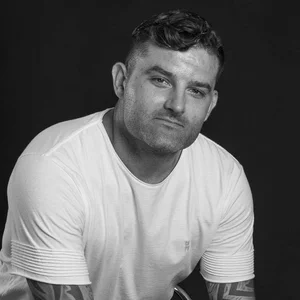
Why Showing the People Behind Your Small Business Matters in Photography
Customers may discover a business because of what it sells, but they often remember it because of the people behind it.
A business can have a beautiful website.
The branding can be polished.
The products can look great.
The premises can be impressive.
And yet the whole thing can still feel strangely anonymous.
That is something I notice a lot when looking at small business photography. There are photographs of the work, the products, the building, and perhaps a few carefully designed graphics, but almost nothing showing the people actually making the business happen.
For a large company, that distance may be expected.
For a small business, I think it can be a missed opportunity.
One of the advantages a local business has is that customers can often deal directly with the owner, meet the team, understand who is doing the work, and feel some connection to the people they are giving their money to.
The photography should help communicate that.
This does not mean turning every website into a gallery of headshots.
It means showing enough real people, genuine work, and everyday interaction that the business begins to feel human.
For Sunshine Coast businesses competing in crowded local markets, that can be incredibly valuable.
People want to know who they are dealing with
Think about the first time you contact a business you have never used before.
There is always a little uncertainty.
Who will answer?
Who is actually doing the work?
Is this a large company or one person?
Will they be approachable?
Does the business feel professional?
Can I trust them in my home, office, or project?
Photography cannot answer every one of those questions.
It can remove some of the mystery.
A photograph of the owner in their real working environment immediately gives the business a face.
A team photograph helps customers understand who they may meet.
Images of people genuinely working show more than a paragraph saying the business is experienced or hands-on.
Customers can begin forming a picture of the business before making contact.
That familiarity matters.
A headshot is useful, but it is only the beginning
Professional headshots absolutely have a place.
They are useful for About pages, team profiles, LinkedIn, media features, email signatures, and plenty of other applications.
But if the entire people-focused section of a commercial shoot consists of everyone standing against the same wall, a lot of opportunity has been missed.
Environmental portraits usually tell us more.
Photograph the builder on site.
The chef in the kitchen.
The designer surrounded by samples.
The business owner at their desk.
The tradesperson working with their tools.
The accommodation manager preparing the property.
The café owner behind the counter before service begins.
Now the person and the business exist in the same photograph.
The viewer gets an introduction and some context at the same time.
Show people doing what they actually do
This is where small business photography starts feeling believable.
Instead of telling someone to fold their arms and look at the camera for twenty different photographs, give them something real to do.
If they normally work with clients, photograph a genuine or realistically recreated interaction.
If they make something, let them make it.
If they inspect, install, design, cook, build, style, or repair, photograph that process.
People generally become much more comfortable once they stop thinking about posing.
Hands become natural.
Expressions settle.
Body language starts making sense.
The photograph stops looking like somebody pretending to work for a business advertisement and starts looking like an actual moment from the business.
That difference is immediately noticeable.
The strongest small business photography often happens when people forget about the camera and get back to doing the thing they are good at.
Common mistake: hiding the owner because they hate having their photo taken
I understand this one.
Most business owners did not start their company because they wanted to become models.
Standing in front of a camera can feel uncomfortable, particularly when you are used to being the person organising everything behind the scenes.
So the owner disappears from the marketing entirely.
The website says “we”.
The social posts say “our team”.
But customers never see who “we” actually are.
I do not think every business owner needs to become the face of every post.
But if the business is closely connected to the owner’s expertise, service, or reputation, hiding them completely makes very little sense.
The solution is usually not more posing.
It is better photography.
Use an environment where they are comfortable.
Give them something natural to do.
Talk while photographing rather than expecting a frozen smile.
Make the session feel like part of a normal working day.
A good business portrait should still feel like the person in it.
The team matters too
Once a business grows, the owner is no longer the whole story.
The team becomes part of the customer experience.
Showing them can make a company feel established without making it feel corporate or distant.
There are several ways to do this.
A traditional team photograph is useful because everyone is clearly visible.
Smaller group photographs often feel more relaxed.
Individual environmental portraits give each person more personality.
Photographs of the team working together can show culture and collaboration without needing everyone looking into the lens.
Ideally, a shoot includes a mixture.
That creates enough variety to use the images across About pages, recruitment, social media, staff announcements, proposals, and other marketing without repeating the same group photo everywhere.
Interaction usually tells more than posing
Some of my favourite commercial images happen between the planned photographs.
Someone laughs.
A colleague explains something.
Two people look down at the same plan.
A business owner talks naturally with a customer.
A team member concentrates on a task.
These moments have energy because something is actually happening.
That is difficult to recreate by simply telling two people to “have a conversation”.
The best approach is often to give people a genuine task or topic and let the interaction develop.
The photographer can then work around it.
That creates photographs that feel active rather than arranged.
For small businesses, that style can be particularly effective because it reinforces the personal service that often separates them from larger competitors.
Customers should be able to picture the experience
People-focused photography is not only about showing staff.
It can also show what dealing with the business feels like.
Imagine a custom builder's website.
Photographs of finished homes are important.
But a photograph of the builder talking through plans with a client communicates another part of the service.
For an interior designer, the finished room is the result.
A photograph of samples being discussed around a table shows the process.
For a hospitality business, an empty dining area may be beautifully designed.
A small amount of genuine human activity shows what the space feels like when it is being used.
That helps potential customers move beyond admiring the business.
They can begin imagining themselves interacting with it.
Local businesses benefit from looking local
Sunshine Coast businesses have another advantage they can use.
Location.
A generic office portrait could have been photographed almost anywhere.
An environmental image may carry subtle clues about where the business operates.
Coastal light.
Subtropical landscaping.
A recognisable type of architecture.
A job site in the Hinterland.
A workshop.
A café frontage.
A local streetscape.
You do not need Mount Coolum sitting dramatically in the background of every business portrait.
The local character can be much quieter than that.
But when photography genuinely reflects the environment in which a business operates, it helps the company feel connected to the community rather than dropped into it.
Show enough of the workplace to create context
The workplace can tell us a lot about a business.
A tidy workshop.
An active kitchen.
A design studio.
A construction site.
An office with genuine activity.
A treatment room.
A warehouse.
These environments help explain what happens behind the service customers ultimately buy.
They also create more interesting people photography because the setting contributes to the frame.
Instead of isolating the person against a blank wall every time, the viewer can see equipment, materials, products, or other environmental details.
That context makes the photographs more specific.
Specific is usually more memorable than generic.
Google gives businesses plenty of places to use real photography
People sometimes think professional business photography is mainly about the website.
It is much broader than that.
Google Business Profile allows businesses to add photographs and videos of their storefront, products, and services, helping customers understand what they will find before visiting or making contact.
Google’s own Business Profile photo guidance recommends using business-specific images that show features customers may use when making purchasing decisions.
That creates another reason to build a varied photography library.
A team photograph may suit the About page.
A working image may suit Google.
A portrait might support a media story.
A customer interaction could work on Facebook.
A behind-the-scenes photograph may become an Instagram post.
One shoot can show different sides of the same business without making every channel feel identical.
Real does not mean careless
There is a misunderstanding around authenticity in brand photography.
Sometimes people assume authentic means completely unplanned.
Messy desk.
Bad light.
Random background.
Whatever happens, happens.
That is not what I mean.
A professional photograph can be carefully composed, lit, and directed while still feeling genuine.
The environment can be tidied without becoming sterile.
People can be guided without looking posed.
A workspace can be presented at its best without pretending it is something completely different.
The goal is believable polish.
You want the customer to recognise the business when they eventually arrive.
Just on a particularly good day.
Do not remove all personality trying to look professional
This is another trap small businesses fall into.
They look at the marketing of a much larger company and try to imitate it.
Everything becomes very clean.
Very safe.
Very corporate.
Very anonymous.
The problem is that the small business has just removed one of its biggest advantages.
Personality.
Professional does not have to mean distant.
A company can be premium and approachable at the same time.
It can show humour where appropriate.
It can show the owner.
It can show genuine working environments.
It can let the people in the photographs look like actual people.
The visual standard should still be high.
But the business should remain recognisable inside it.
Behind-the-scenes images can become some of the most useful content
The finished result usually gets photographed first.
That makes sense.
But behind-the-scenes photographs can be incredibly useful for small businesses because they explain what customers do not normally see.
Preparation.
Craftsmanship.
Planning.
Setup.
Teamwork.
Problem-solving.
Tools.
Materials.
Early mornings.
The work before the work.
These images create material for educational posts, social updates, website sections, and stories about how the business operates.
They also give customers evidence of the process.
Saying you care about detail is easy.
Showing somebody carefully working through that detail is stronger.
Keep people photography current
One practical problem with team photography is that teams change.
Someone leaves.
Someone joins.
The owner changes their appearance.
Uniforms are updated.
The premises move.
The website keeps using the old image because organising another full commercial shoot feels excessive.
This is where planning helps.
You do not necessarily need to replace the entire image library every time one staff member changes.
But important team and owner images should still reflect the current business.
Google also allows businesses to publish updates with photographs and video directly through Business Profile. Its Business Profile posts guidance shows how businesses can share updates, events, and other timely information on Search and Maps.
Fresh photography gives you something useful to put into those updates rather than relying indefinitely on the same old handful of images.
Do not forget individual personalities
A team should feel connected.
They do not need to look identical.
One person may naturally be more relaxed.
Another may be quieter.
Someone may look better working rather than facing the camera.
The business owner may need something slightly more authoritative for a professional profile.
Allowing a little variation makes the final gallery much more believable.
The styling, lighting, and overall photographic approach can keep the brand consistent.
The individuals can still feel like themselves.
That balance is far more appealing than forcing everyone into exactly the same expression and pose.
A practical people-focused photography checklist for small businesses
Before the shoot:
Decide which people customers are most likely to interact with
Identify the real environments where the team normally works
List common activities that can be photographed naturally
Think about website, Google Business Profile and social media uses
Prepare workspaces without stripping away all personality
Make sure uniforms, tools, and branded items are current
During the shoot:
Capture individual portraits and genuine working photographs
Photograph team members interacting naturally
Include wider environmental frames as well as tighter portraits
Give people real tasks rather than asking them to pretend to work
Capture horizontal and vertical options where useful
Look for spontaneous expressions between planned images
Keep enough context to show what the business actually does
After the shoot:
Choose photographs that feel approachable and believable
Avoid selecting ten nearly identical portraits
Mix people photographs with products, services and workplace imagery
Update old staff photographs when the team changes significantly
Use the library consistently across the website, Google and social channels
People are often the part competitors cannot copy
Another business can offer a similar service.
It can sell a similar product.
It may use similar equipment.
It might even have similar branding.
It cannot have your exact people.
That makes the team one of the most distinctive things a small business can photograph.
The experience customers have with those people is often what creates repeat business, recommendations, and reputation.
Your photography should not hide them.
Products show what you sell.
Finished work shows what you can achieve.
The premises show where you operate.
But the people show customers who they are trusting to deliver it.
For a small business, that may be one of the most valuable photographs you can make.
Mini FAQ
Should small business owners appear in their website photography?
Usually, yes, particularly when the owner's knowledge, service, or reputation is closely tied to the business. The photographs do not need to dominate the website, but showing the person behind the company can make the business feel more familiar and approachable.
What should staff do during a business photography shoot?
Natural working activities usually photograph better than pretending to work. Team members can demonstrate real processes, talk with colleagues, interact with customers where appropriate, or work in the environments they use every day.
Are professional headshots enough for a small business?
Headshots are useful, but a stronger gallery normally combines portraits with environmental photographs, team interactions, working images, and behind-the-scenes content that shows how the business actually operates.
Key Takeaways
Showing the people behind a small business can make the brand feel more familiar, human and approachable.
Environmental portraits and genuine working moments often communicate more than traditional posed headshots alone.
For Sunshine Coast businesses, real people and local context can become part of what makes the brand visually distinctive.